


“In Flanders Fields” helped the poppy become known as the flower of remembrance, especially in the United Kingdom and Canada. This video explains the story behind the poem and how it inspired the Poppy Appeal in England, to raise money for veterans.
Back to Teacher View
Student View
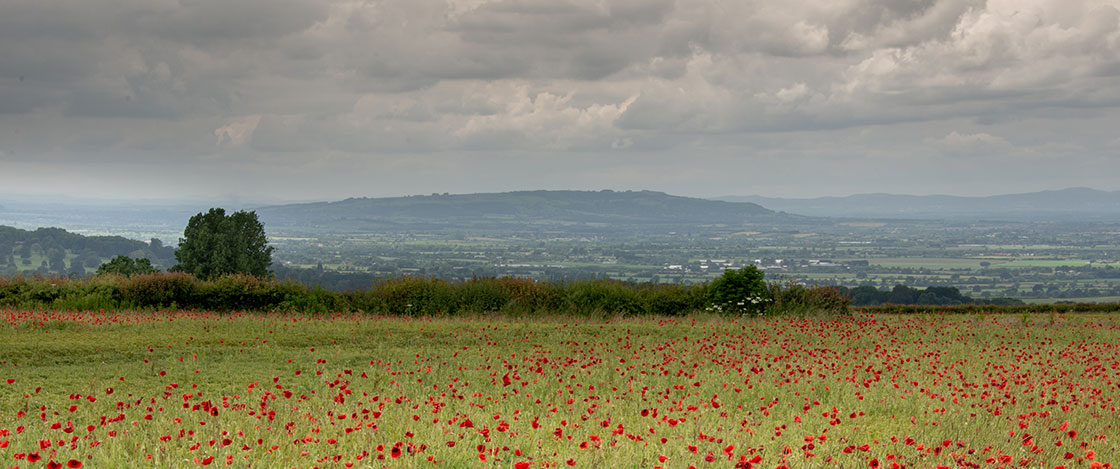
ISTOCKPHOTO/GETTY IMAGES
In Flanders Fields
A classic poem honoring the memory of World War I soldiers
By John McCrae
From the March / April 2019 Issue
Learning Objective: Students will unpack the meaning of a poem, explain how the poet uses imagery, and connect it with an article about World War I.
Featured Skill:
Interpreting Text,
Standards
Audio
()
Activities
(1)
Skills Activities
Quizzes
(2)
Quizzes
(2)
Answer Key
(1)
Audio
()
Activities
(1)
Download All Activities
Skills Activities
Quizzes
(2)
Quizzes
(2)
Answer Key
(1)
 Can't-Miss Teaching Extras
The Story Behind the Poem
Meet the Poet
This interactive map journal, “100 Years of ‘In Flanders Fields,’” takes you to poet John McCrae’s childhood home in Guelph, Canada, and walks you through his life, to the battlefield of Ypres, Belgium, where he composed his famous poem.
More About the Story
Skills
Interpreting text, imagery, theme, synthesizing
Complexity Factors
Levels of Meaning
The poem is written from the point of view of World War I soldiers who have died in battle. It urges the living to persevere so that the deaths of their countrymen will not be in vain.
Structure
The poem is made up of three stanzas and has an irregular rhyme scheme.
Language
The poem contains some challenging vocabulary, such as amid and foe, as well as figurative language and archaic terms like ye.
Knowledge Demands
Some prior knowledge of World War I will help readers understand the poem.
Step-by-Step Lesson Plan
Background Information
In the spring of 1915, Canadian physician, soldier, and poet John McCrae lived in the trenches of Belgium for 17 days during the blood-soaked Second Battle of Ypres, as he tended to wounded soldiers. The day after his dear friend Lieutenant Alexis Helmer died in battle, he wrote “In Flanders Fields” as he looked out at poppies blooming between the makeshift graves. The poem was published in Punch magazine in December 1915 and was instantly loved. The poppy has since become known as the flower of remembrance for fallen soldiers.
1. Preparing to Read (5 minutes)
- Invite students to read aloud the Up Close box and the red burst below the poem.
- Preview the notes and questions in yellow. Make sure students know that a poppy is a small red flower, like the ones in the illustration
2. Reading the Poem (5 minutes)
Invite a student to read the poem aloud for the class or play our audio version.
3. Discussing the Poem (15 minutes)
Discuss the questions in yellow on the poem. Suggested answers are below.
- This verse describes a cemetery on a battlefield. What clues tell you this? (interpreting text) The words “row on row” suggest an arrangement of graves, and they are marked with crosses. The second verse identifies the speakers as “the Dead.” The line “Scarce heard amid the guns below” suggests a battle is going on.
- To “throw the torch” means to pass on a duty. What is the duty here? (interpreting text) The duty is to keep on fighting for the cause for which the soldiers died.
4. Skill Building (15 minutes)
Get our brand-new Poetry Kit, which will take your students on a deep dive into the poem!
Text-to-Speech